Teaching
ARCH509 Design Build Studio
Ultra-Thin Concrete X
Buck Fuller
University of Kansas
2025 Fall
Students:
Brennyn Green
Reagan Zielsdorf
Lesly Galan
Alex Martinez
Sponsored by:
BuildEx
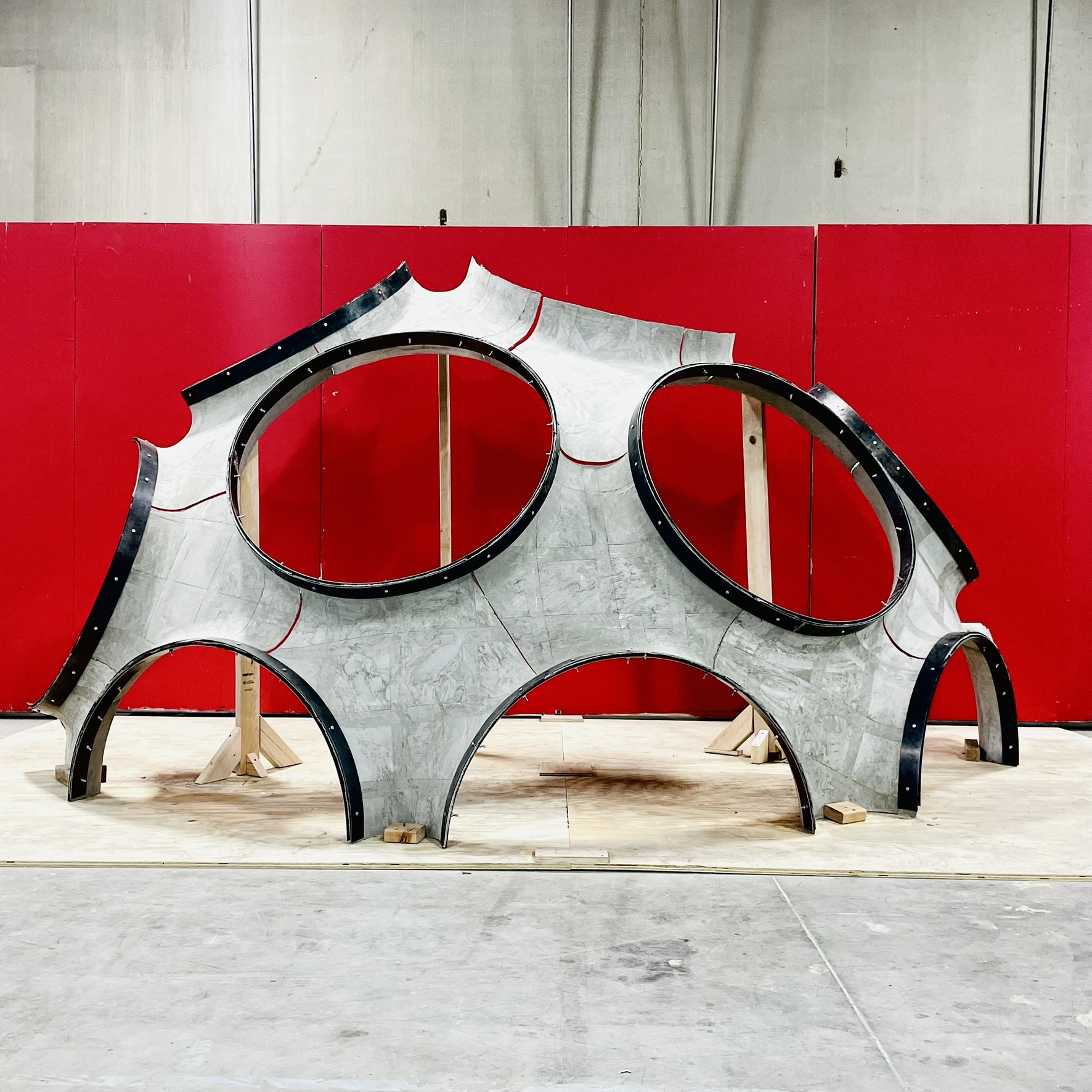
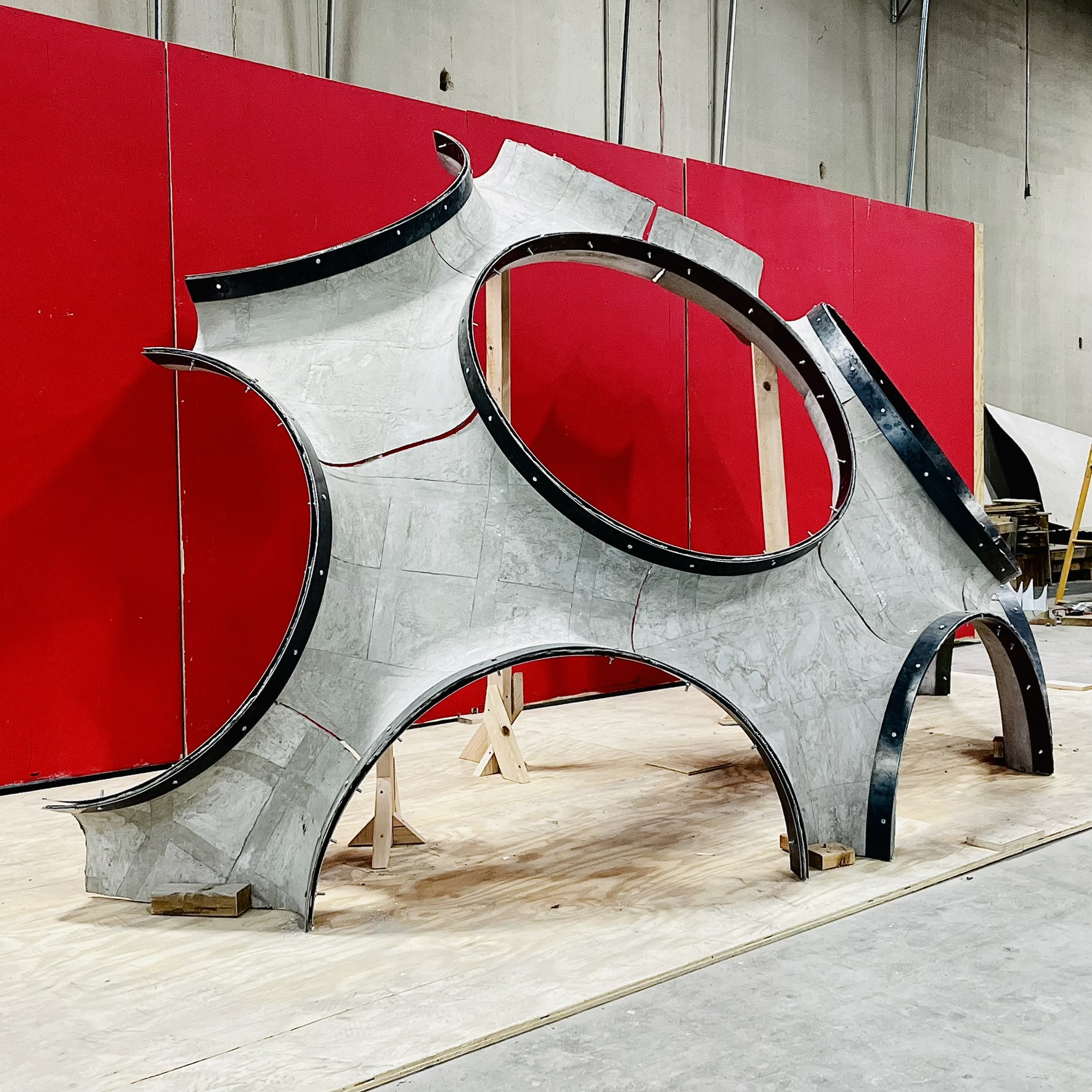
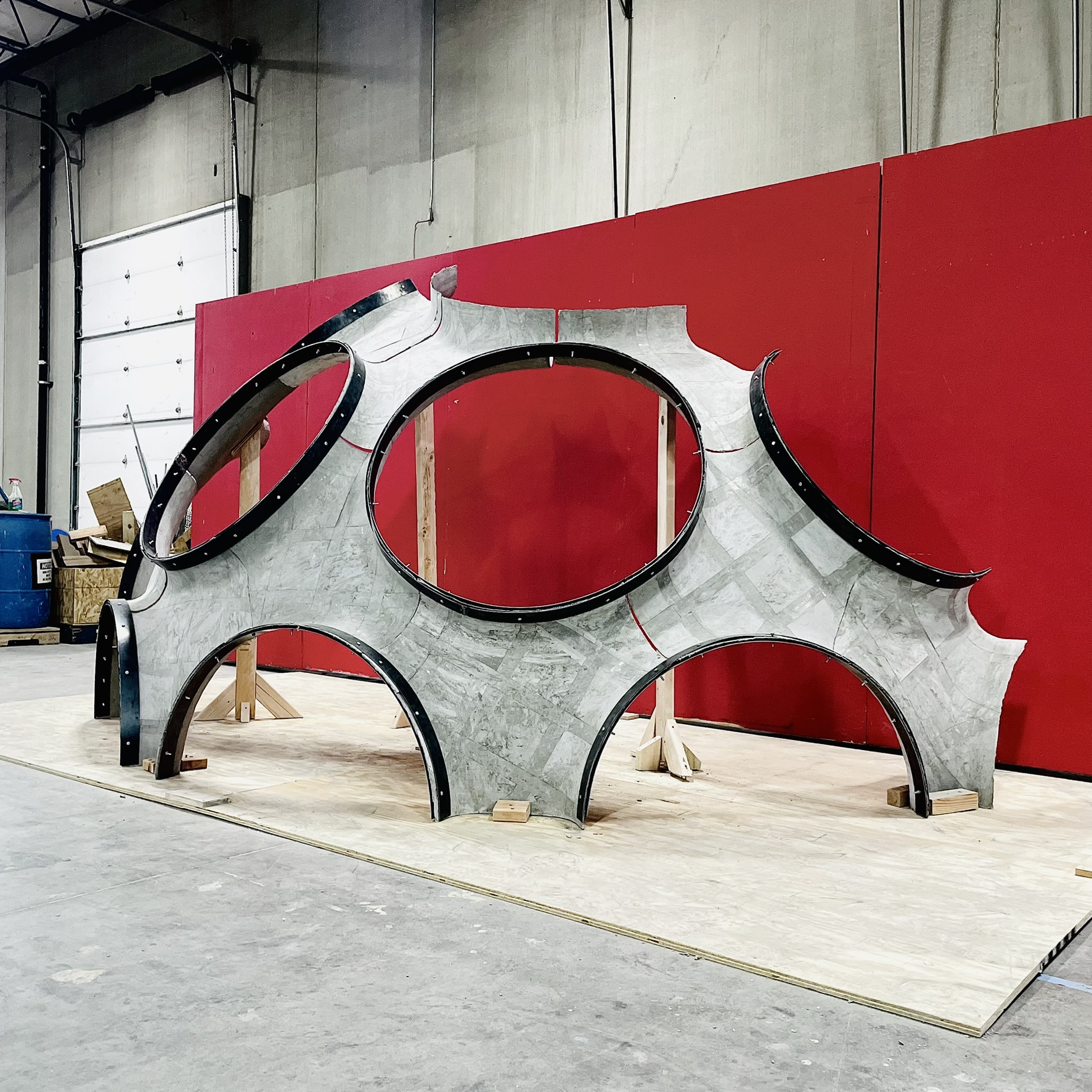
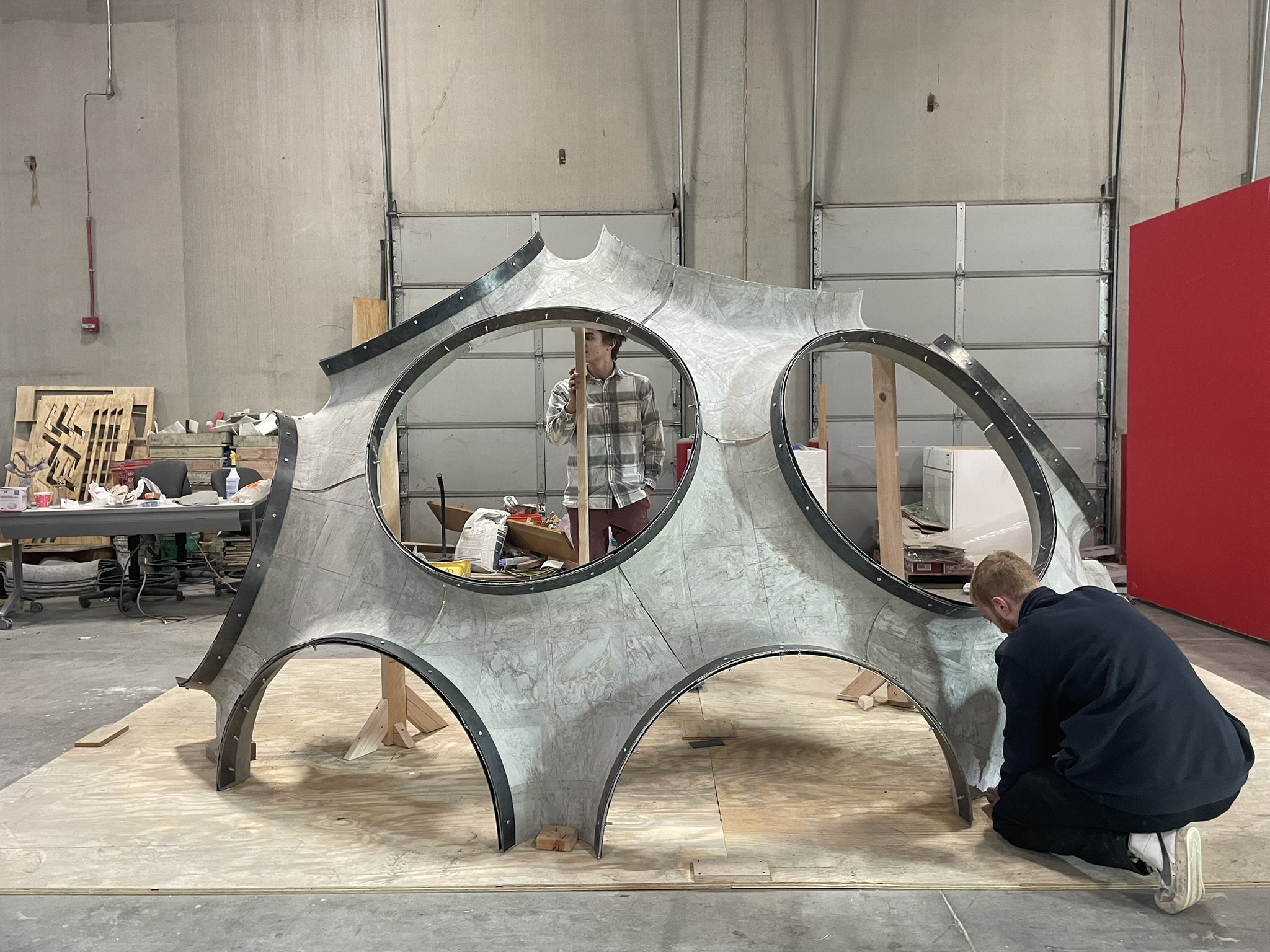
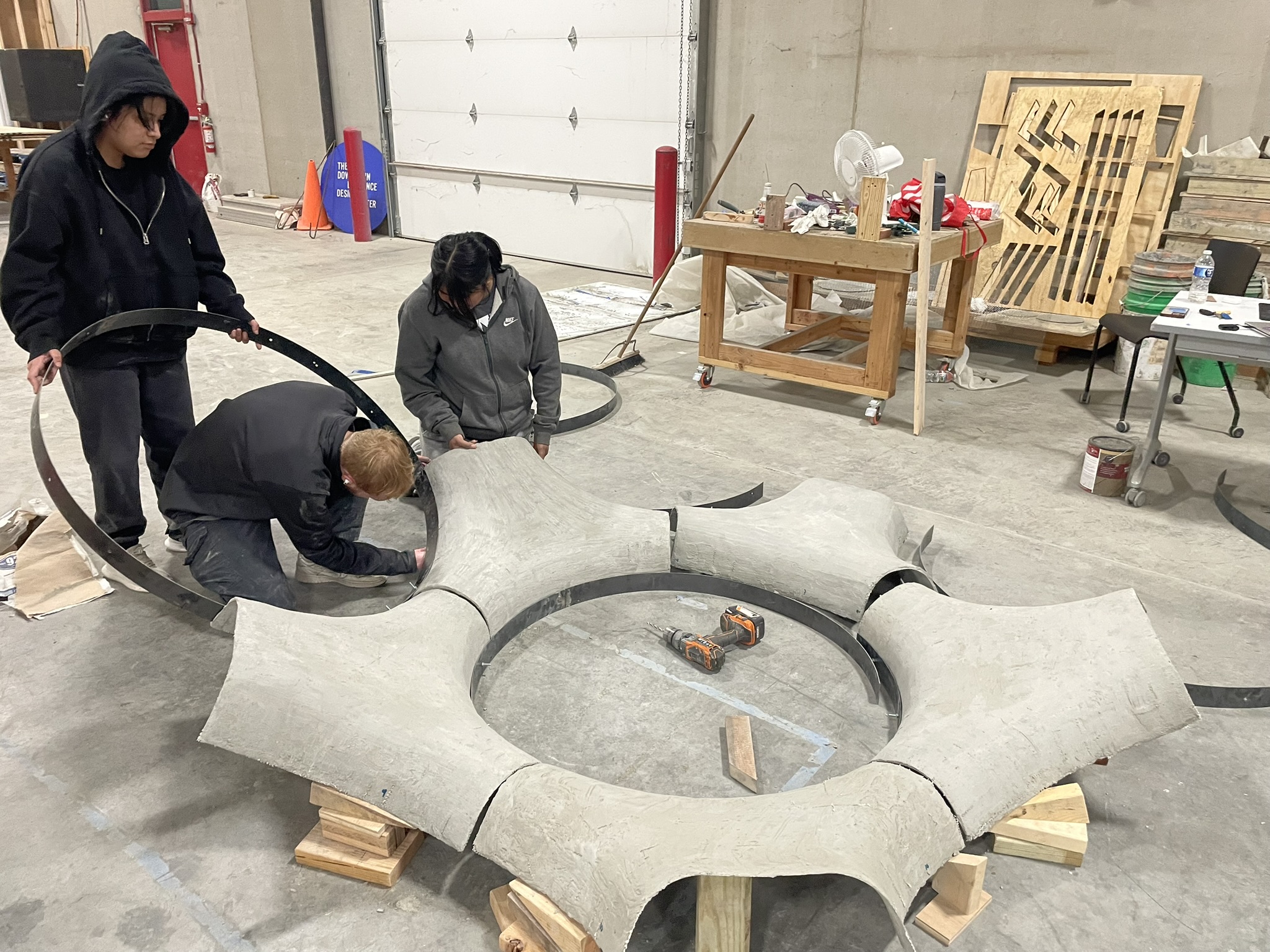
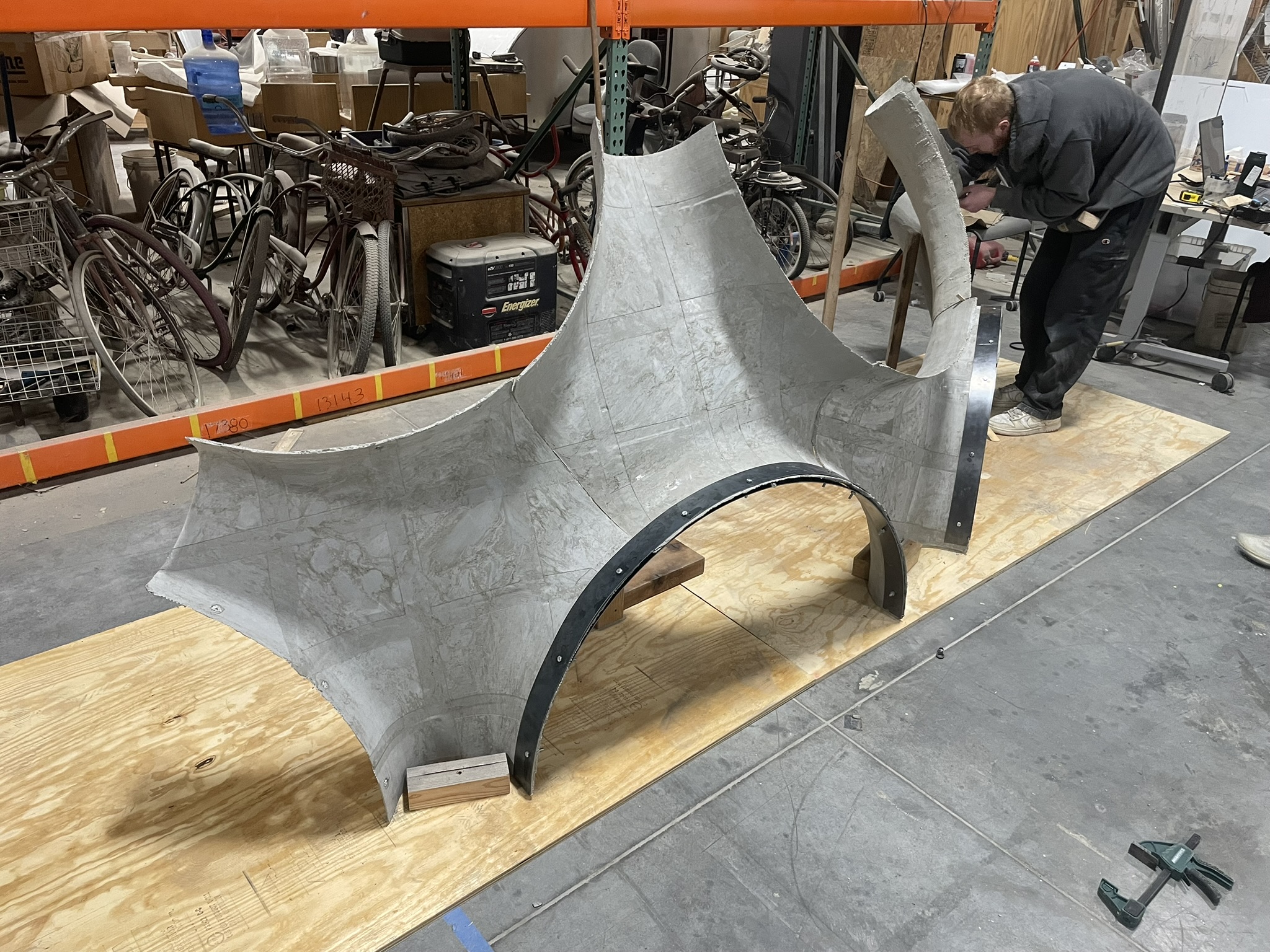
This project was developed in ARCH 509 DesignBuild (Fall 2025) as an intensive exploration of ultra-thin concrete construction, grounded in a close study of Buckminster Fuller’s Fly’s Eye Dome. Over an eight-week period, a team of four students investigated Fuller’s geometric logic, structural efficiency, and modular thinking, translating these principles into a contemporary design and fabrication system. The central constraint of the project was strict and uncompromising: all concrete components were required to be thinner than 1/8 inch.
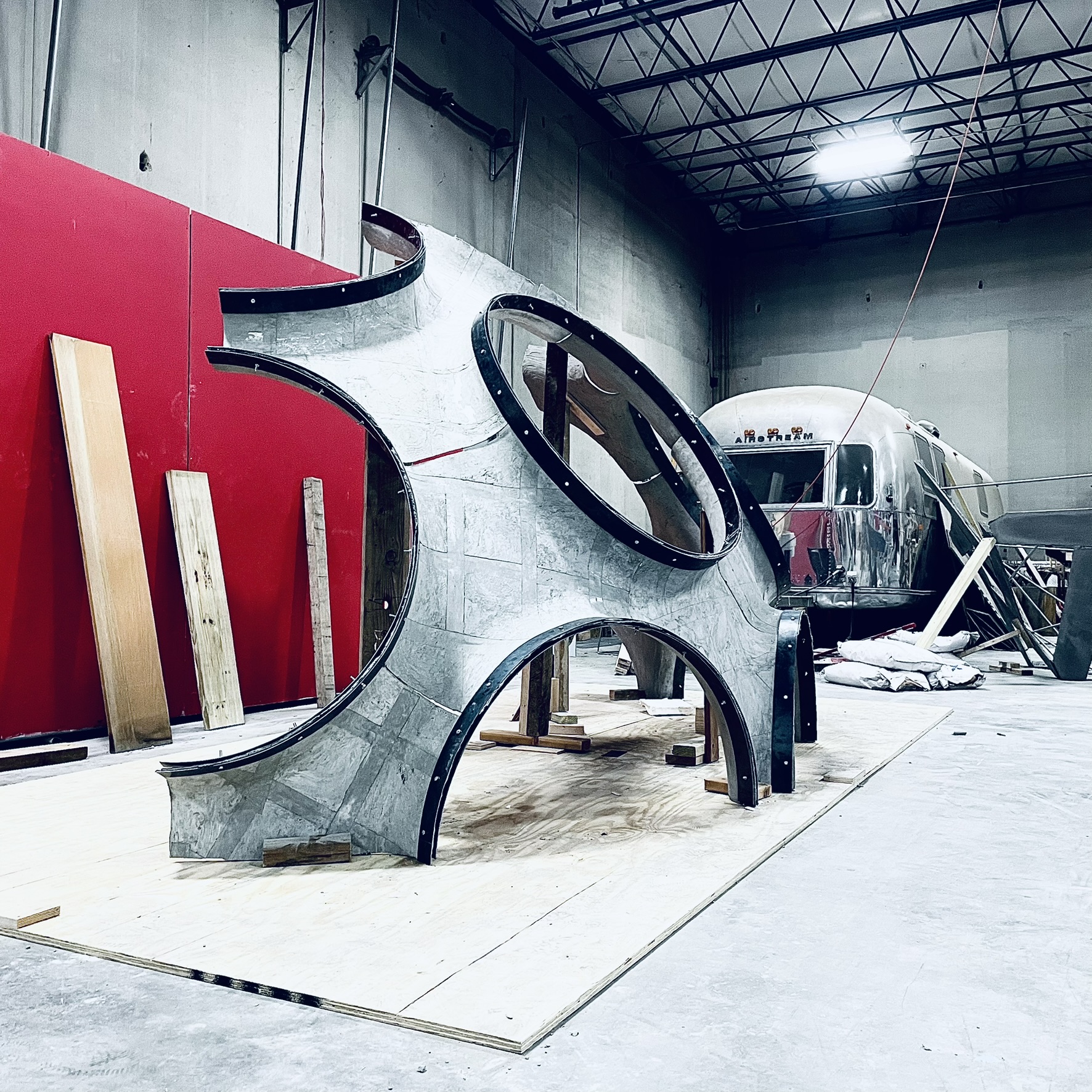
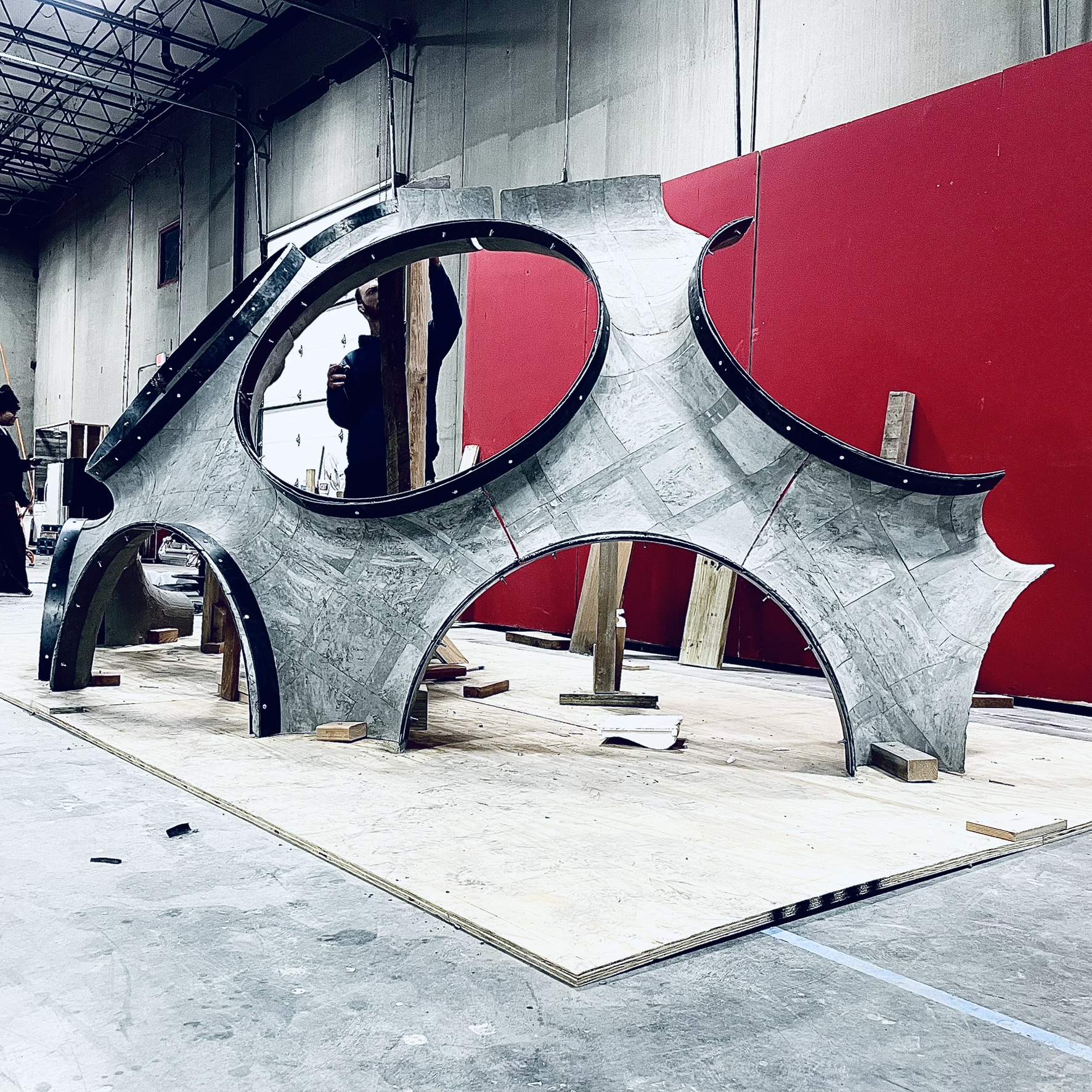
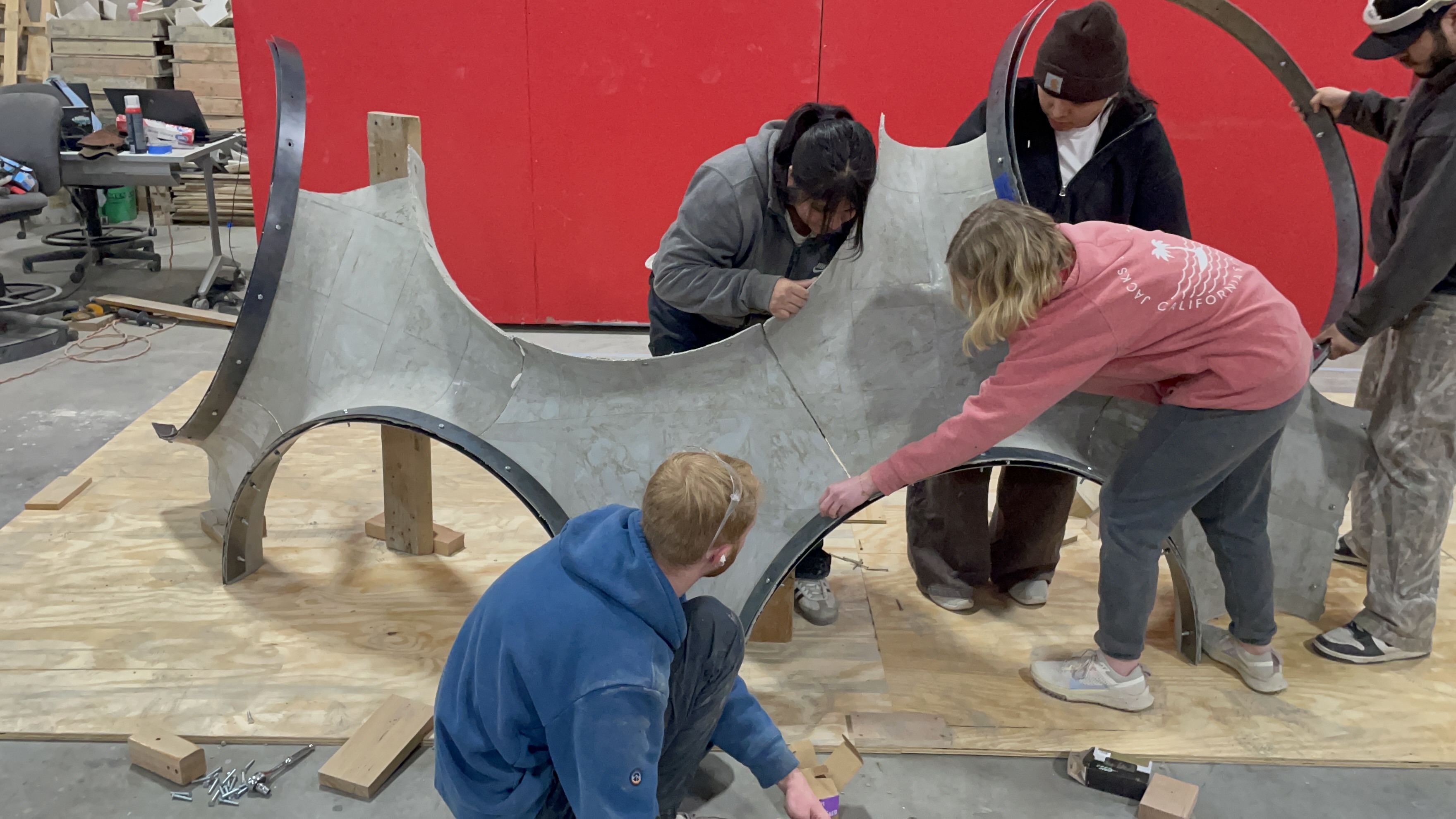
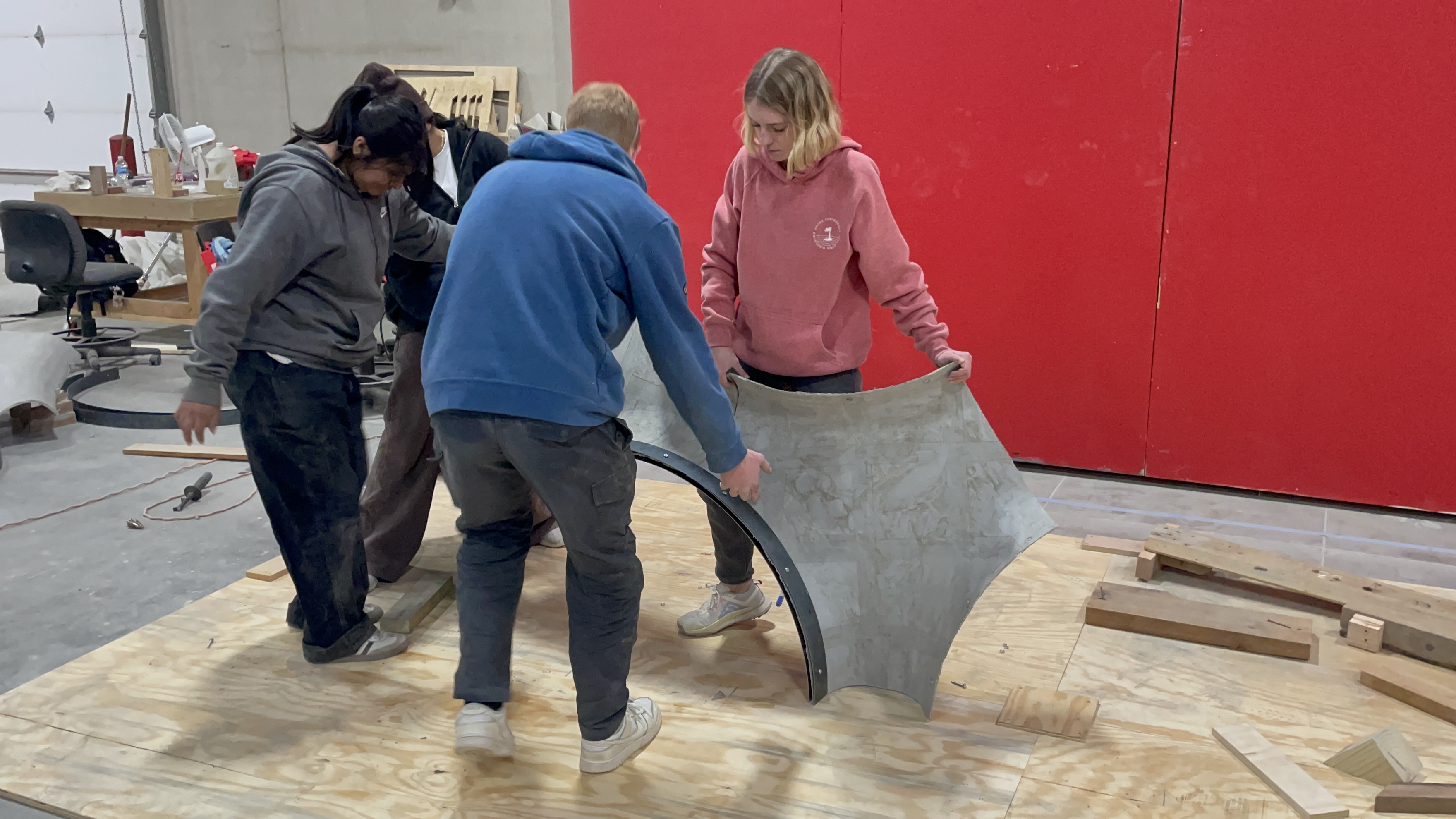
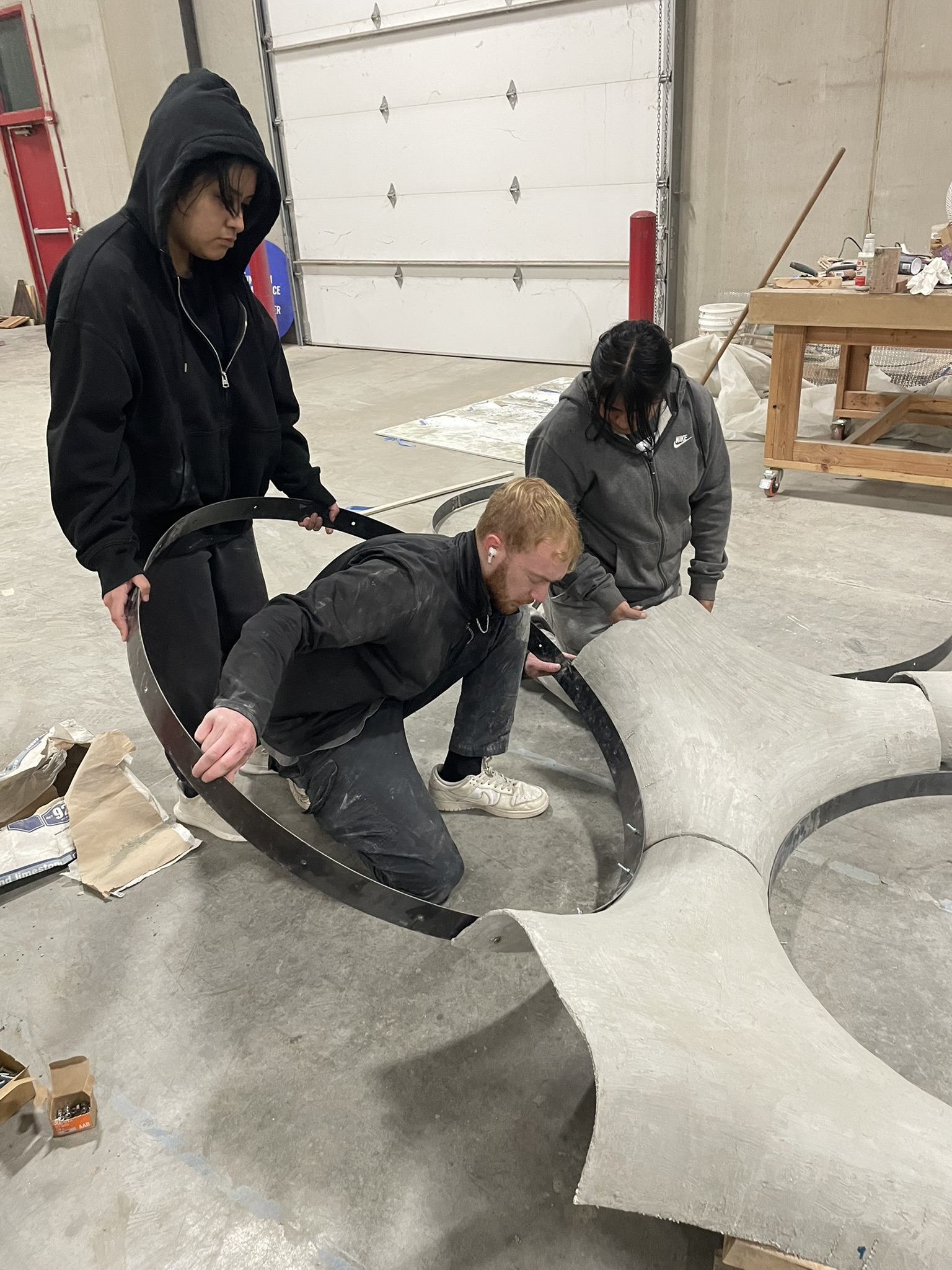
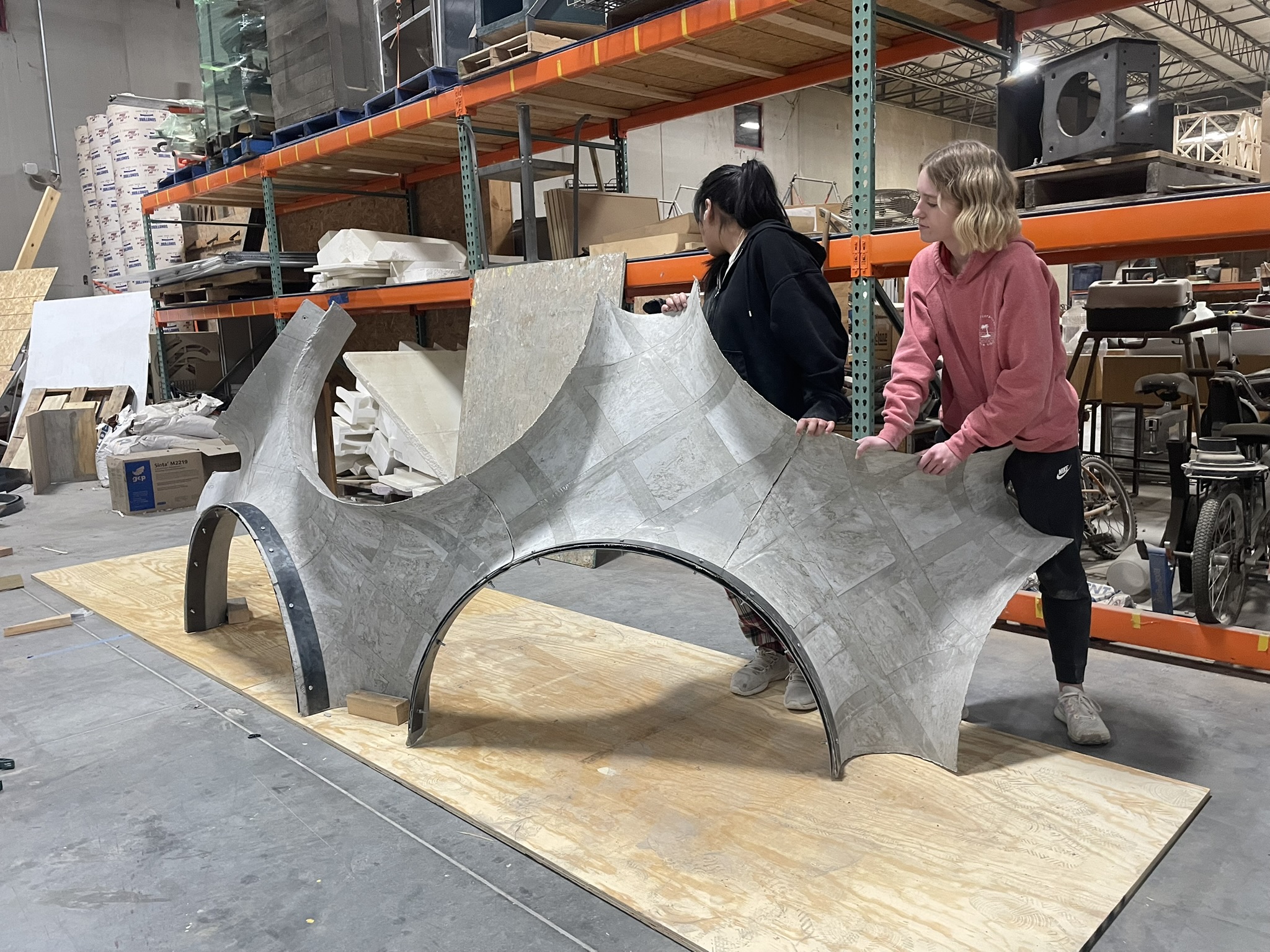
Through a process of iterative design, material testing, and custom formwork development, the students designed and fabricated a series of super-thin concrete elements that pushed the limits of conventional construction practices. Careful attention was given to geometry, reinforcement strategies, and casting techniques to ensure structural performance at such minimal thicknesses.
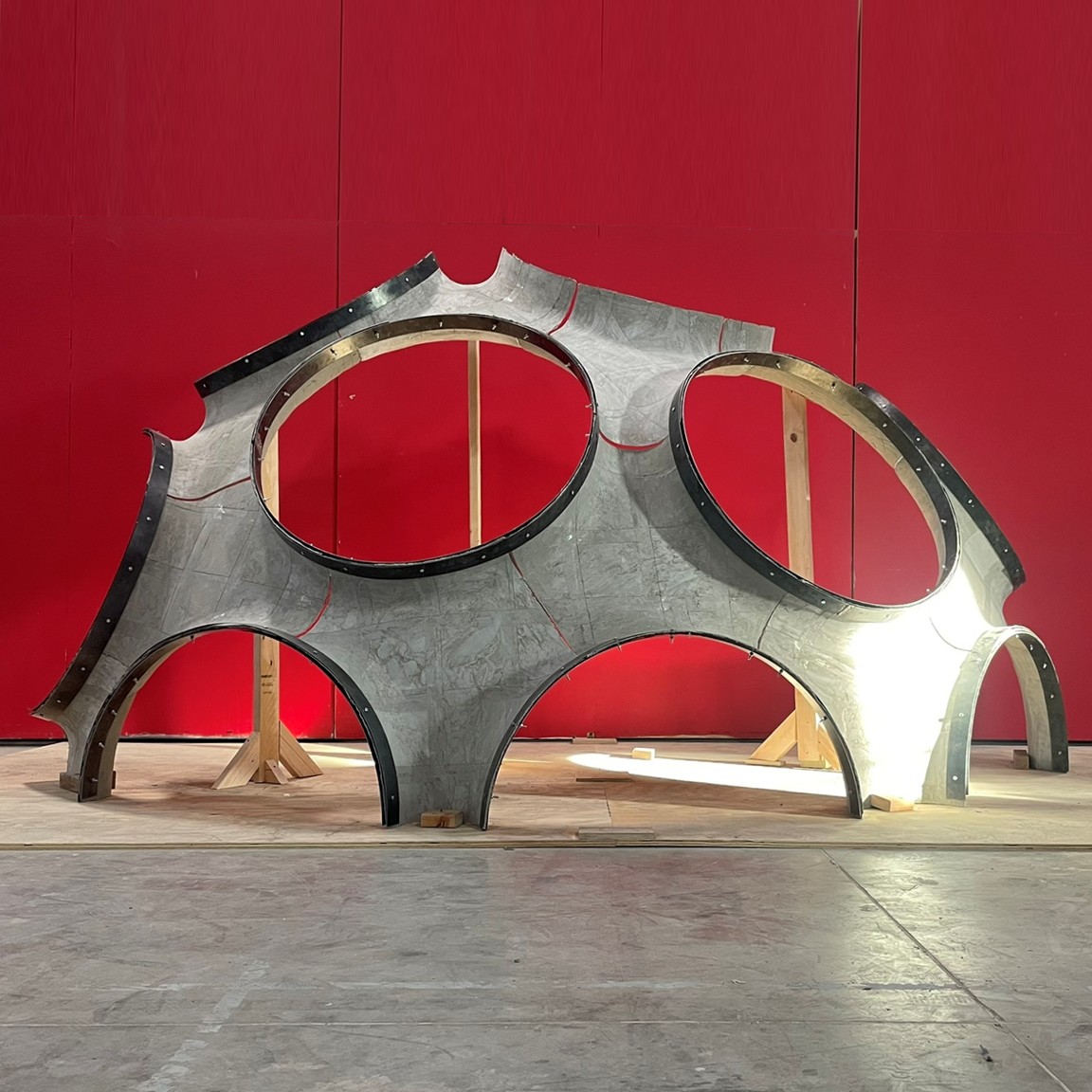
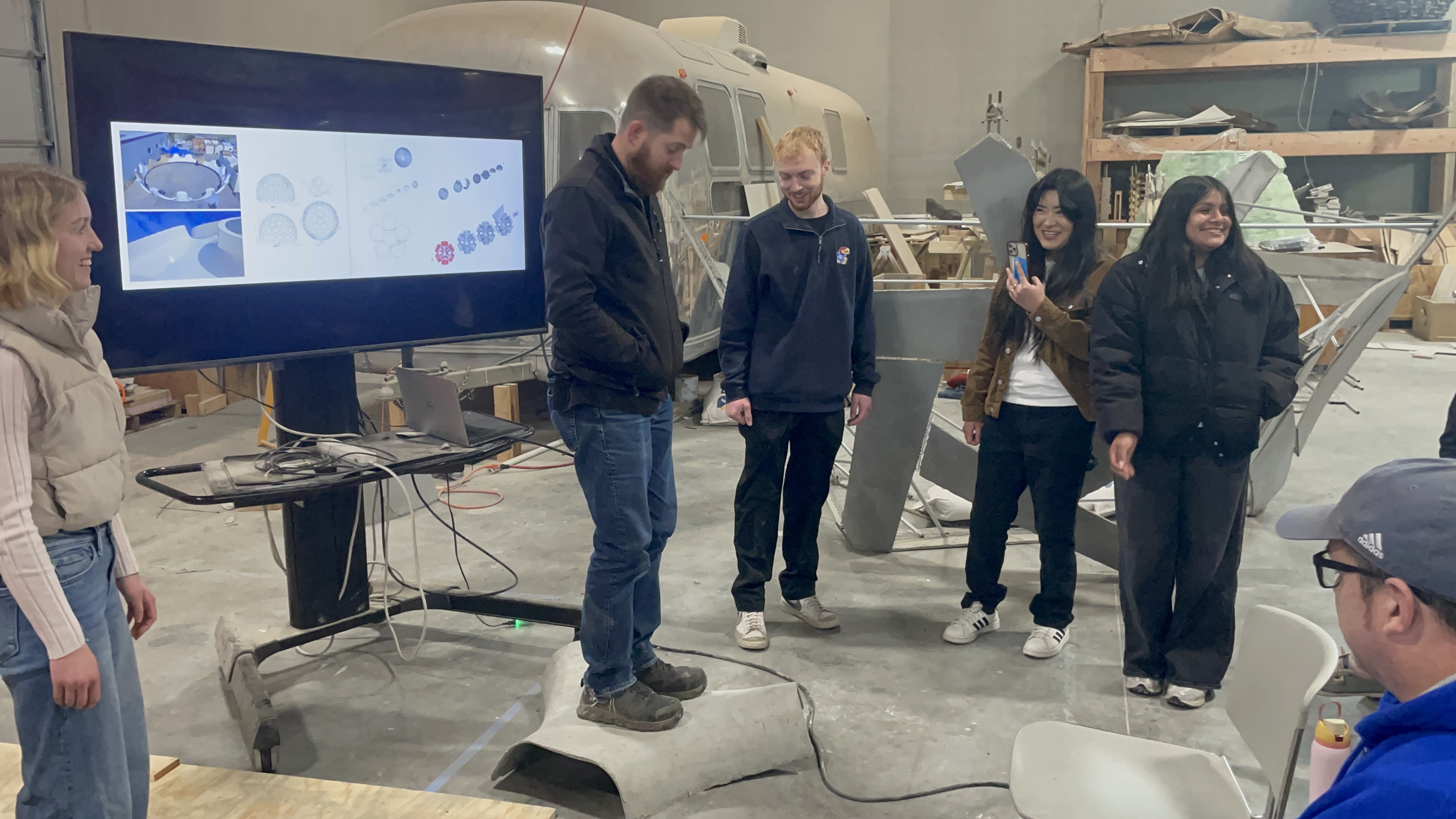
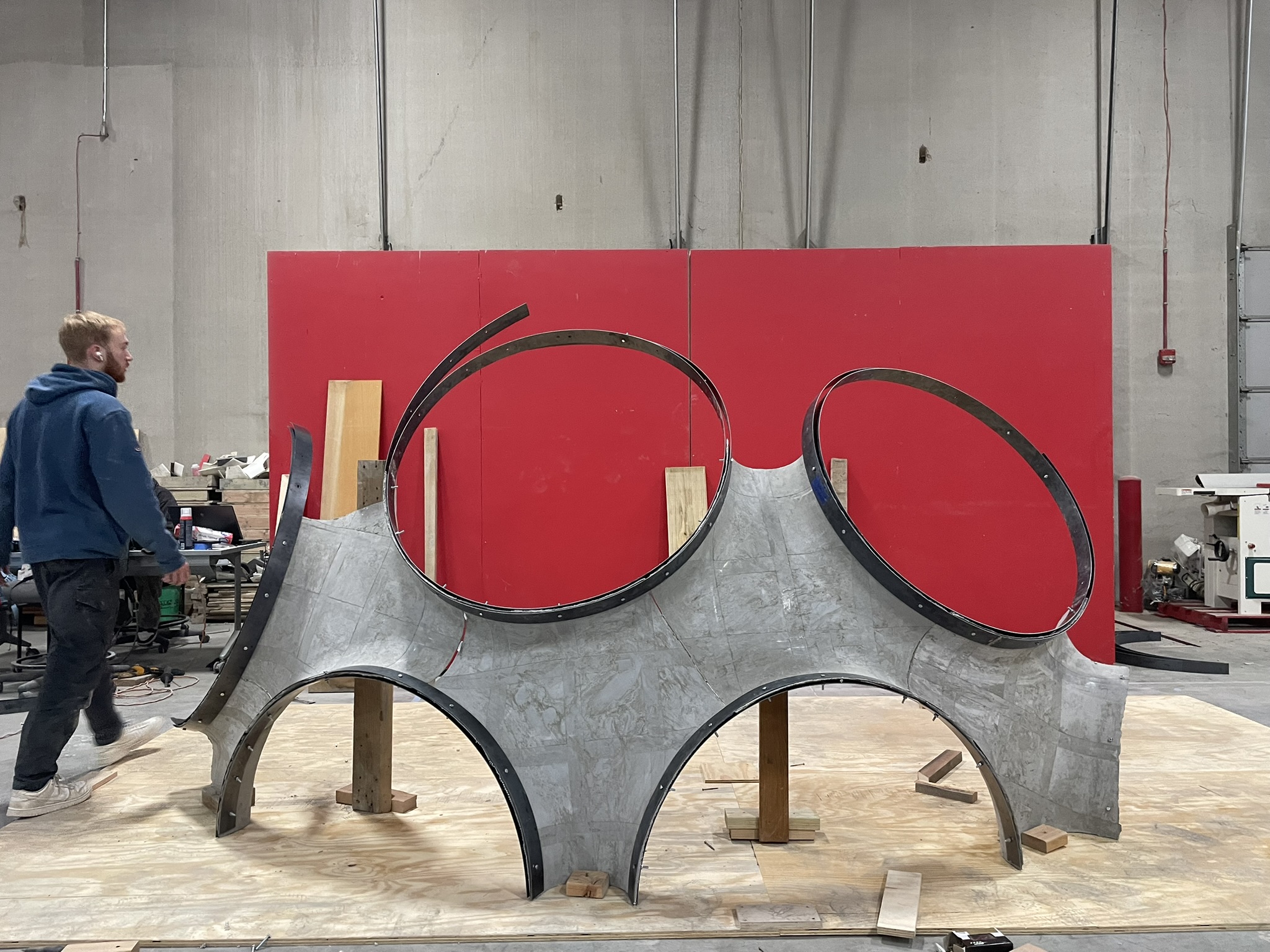
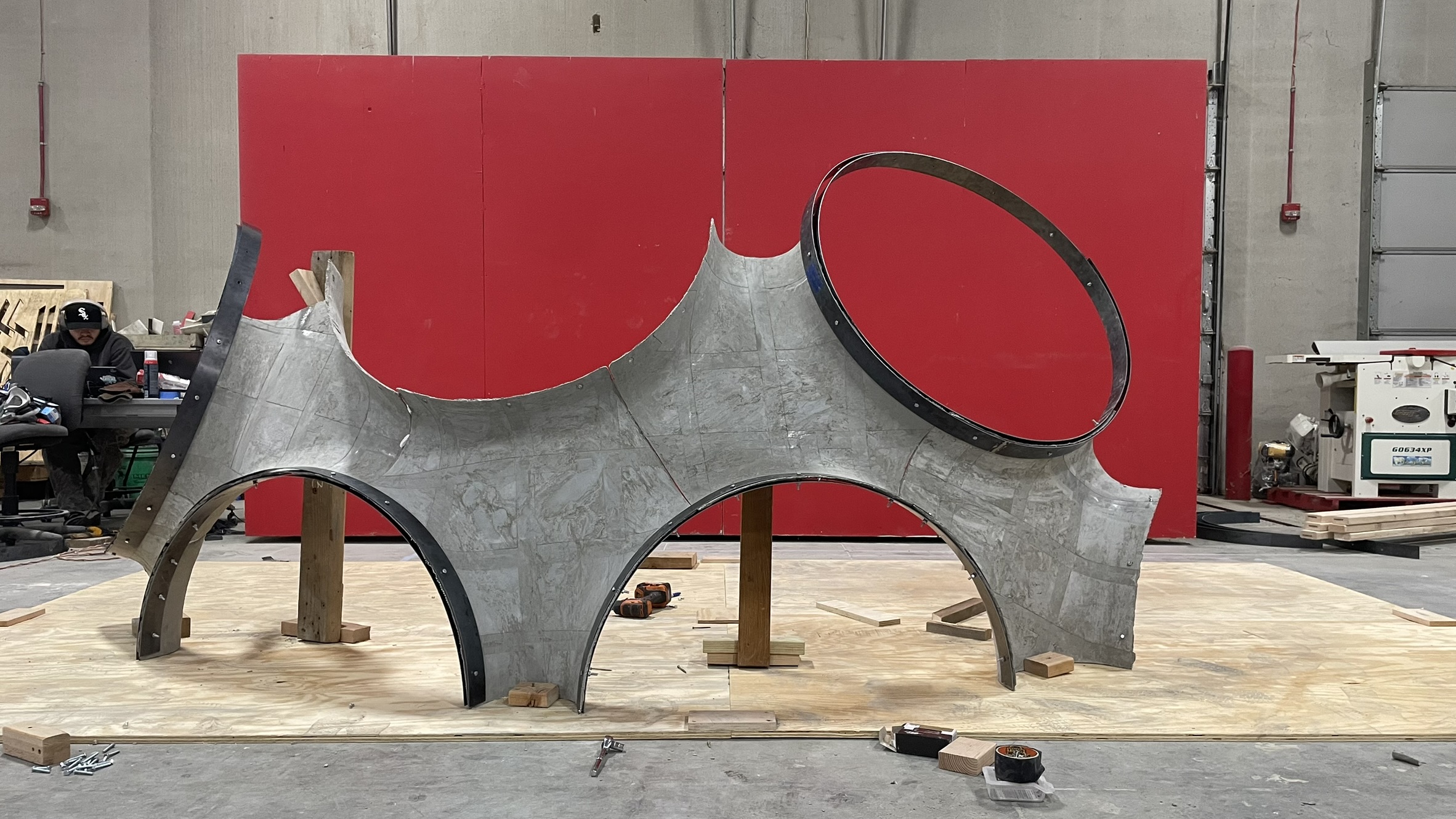
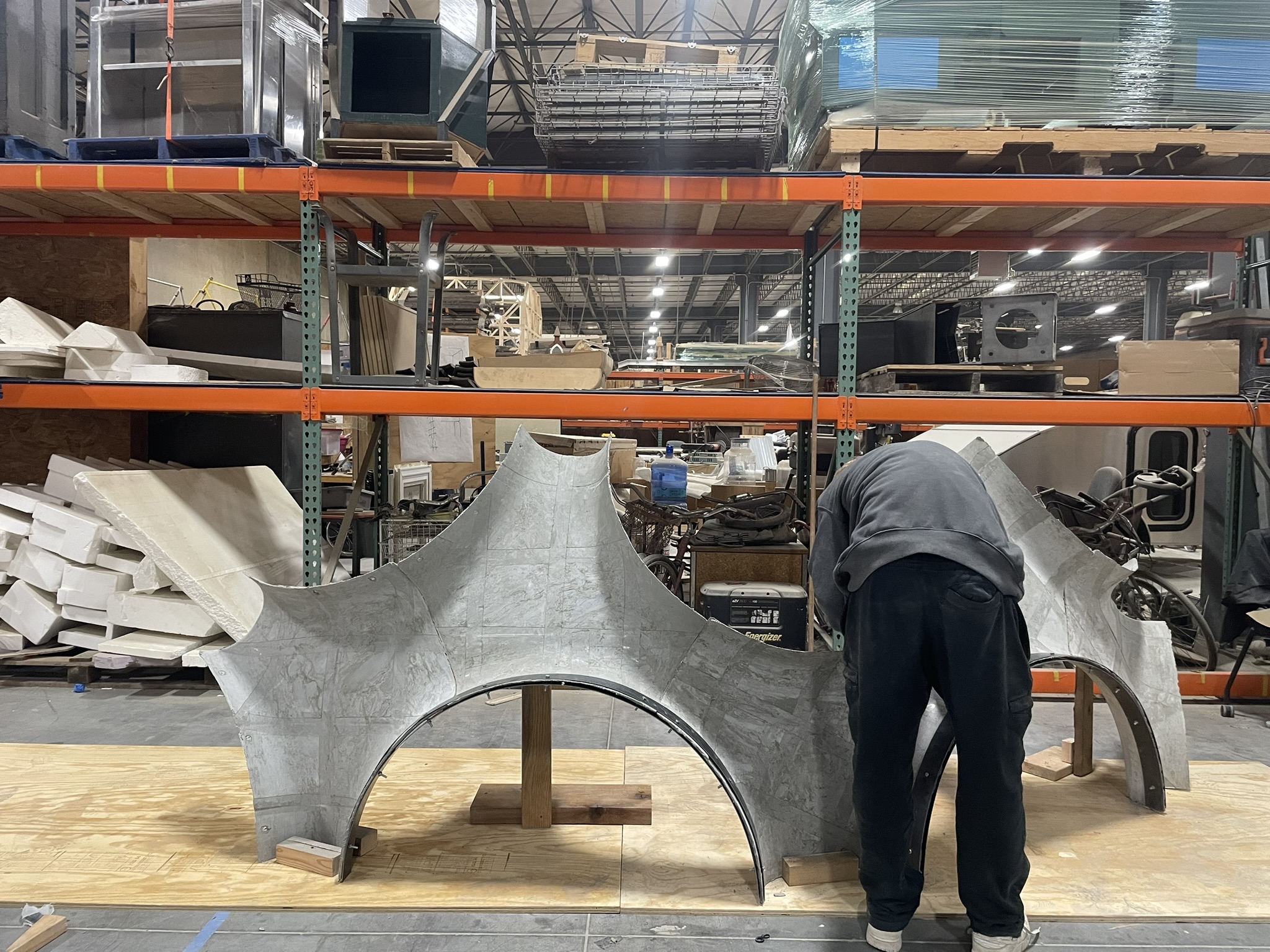
The project culminated in a full-scale mockup, which served as a critical proof of concept. The assembled structure demonstrated that the system was not only buildable but structurally sound, even with extremely thin concrete components. This work underscores the potential of geometry-driven design and hands-on experimentation to expand material possibilities, revealing how structural intelligence can emerge from constraints rather than be limited by them.
Through a process of iterative design, material testing, and custom formwork development, the students designed and fabricated a series of super-thin concrete elements that pushed the limits of conventional construction practices. Careful attention was given to geometry, reinforcement strategies, and casting techniques to ensure structural performance at such minimal thicknesses.
The project culminated in a full-scale mockup, which served as a critical proof of concept. The assembled structure demonstrated that the system was not only buildable but structurally sound, even with extremely thin concrete components. This work underscores the potential of geometry-driven design and hands-on experimentation to expand material possibilities, revealing how structural intelligence can emerge from constraints rather than be limited by them.