Teaching
ARCH509 Design Build Studio
Ultra-Thin Concrete X
Erwin Hauer
University of Kansas
2025 Fall
Students:
Oscar Bilzing
Abby Hartzog
Charlie Osburn
Mimi Waddell
Sponsored by:
BuildEx
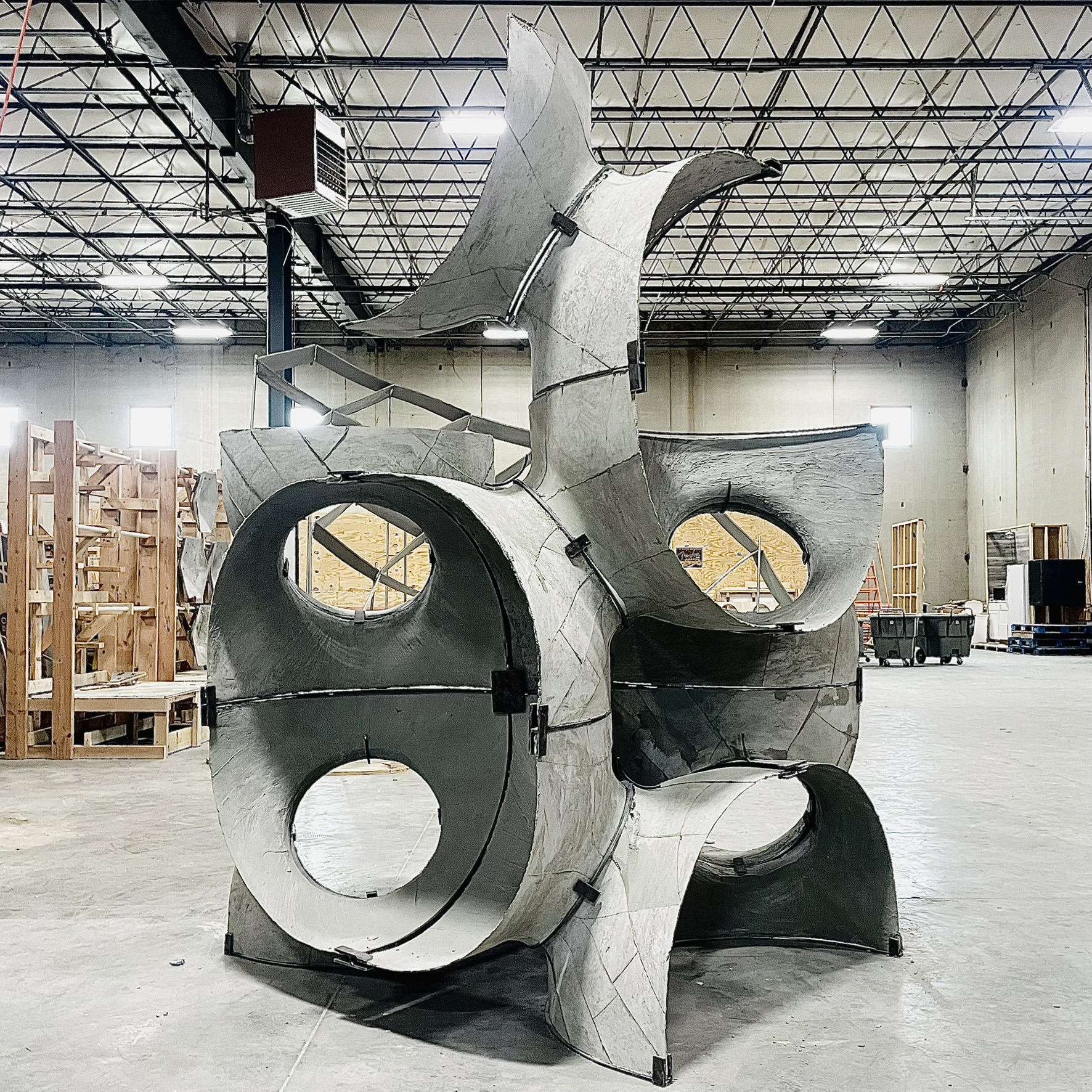
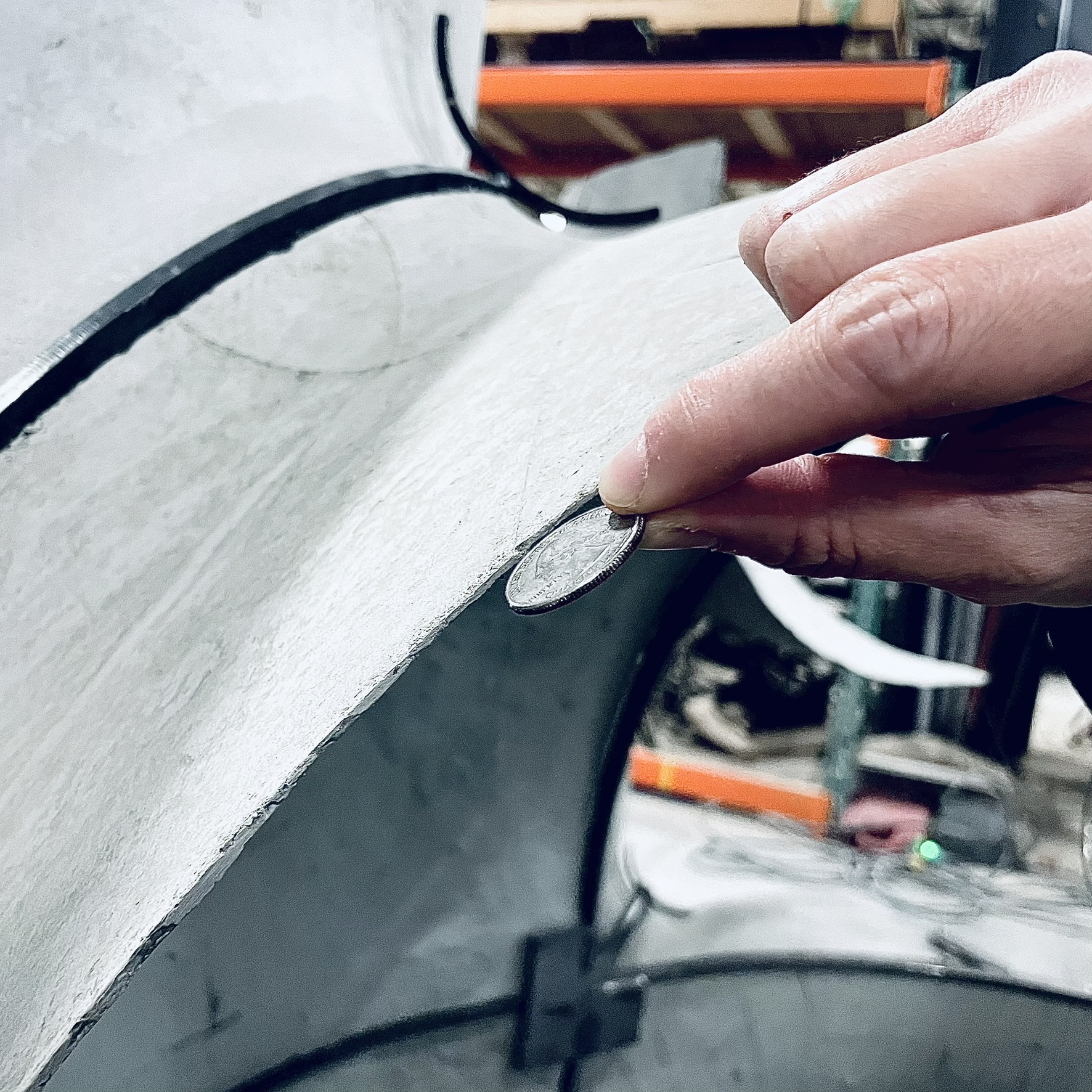
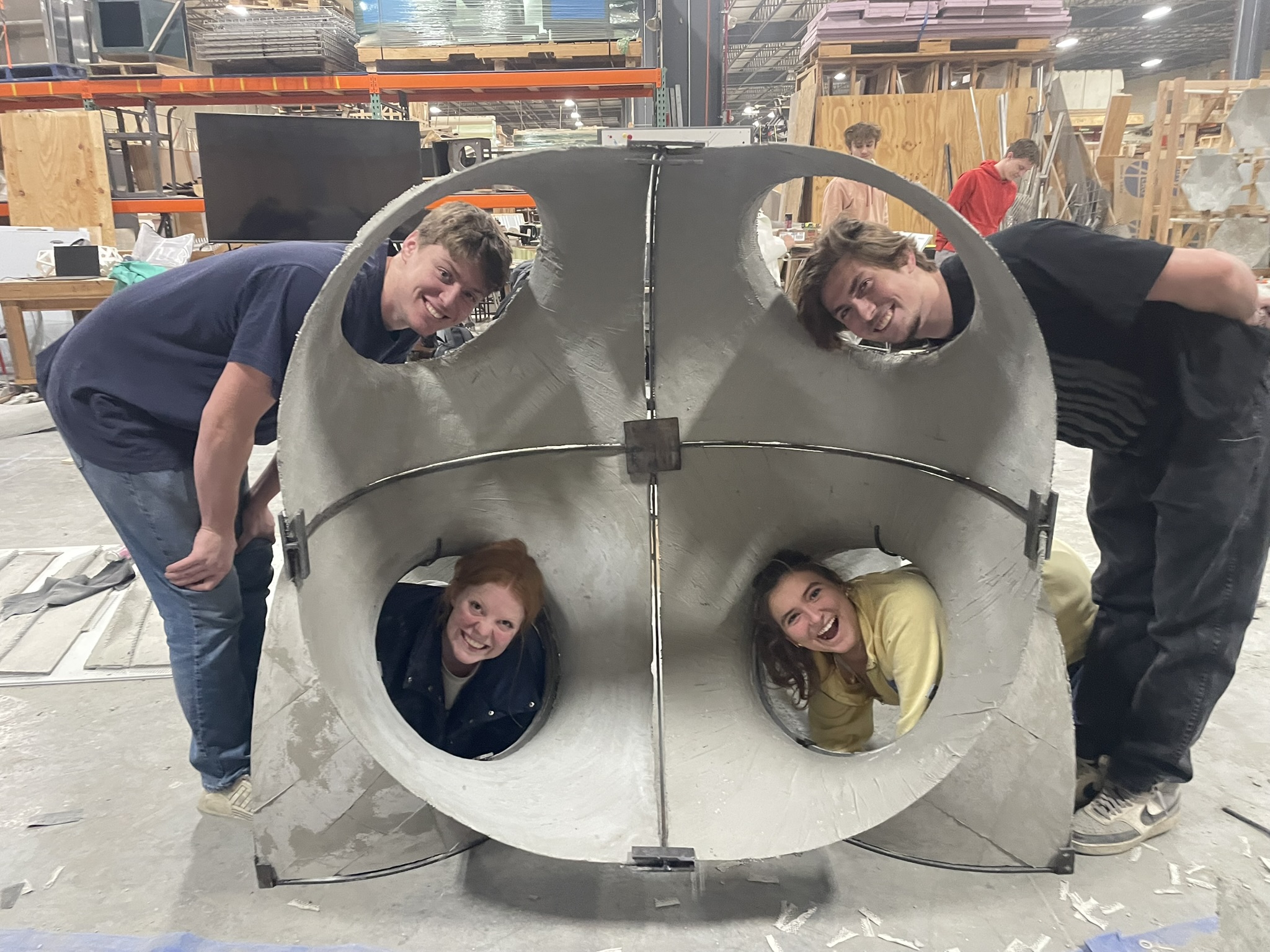
This project was developed in ARCH 509 DesignBuild (Fall 2025) as an intensive exploration of ultra-thin concrete construction, grounded in a detailed study of Erwin Hauer’s Nexus Labyrinth. Over the course of eight weeks, a team of four students examined Hauer’s use of continuous surfaces, modular repetition, and spatial depth, translating these ideas into a contemporary construction system. The central constraint was demanding: all concrete components were designed to reach an extreme thinness, with elements approaching 1/16 inch.
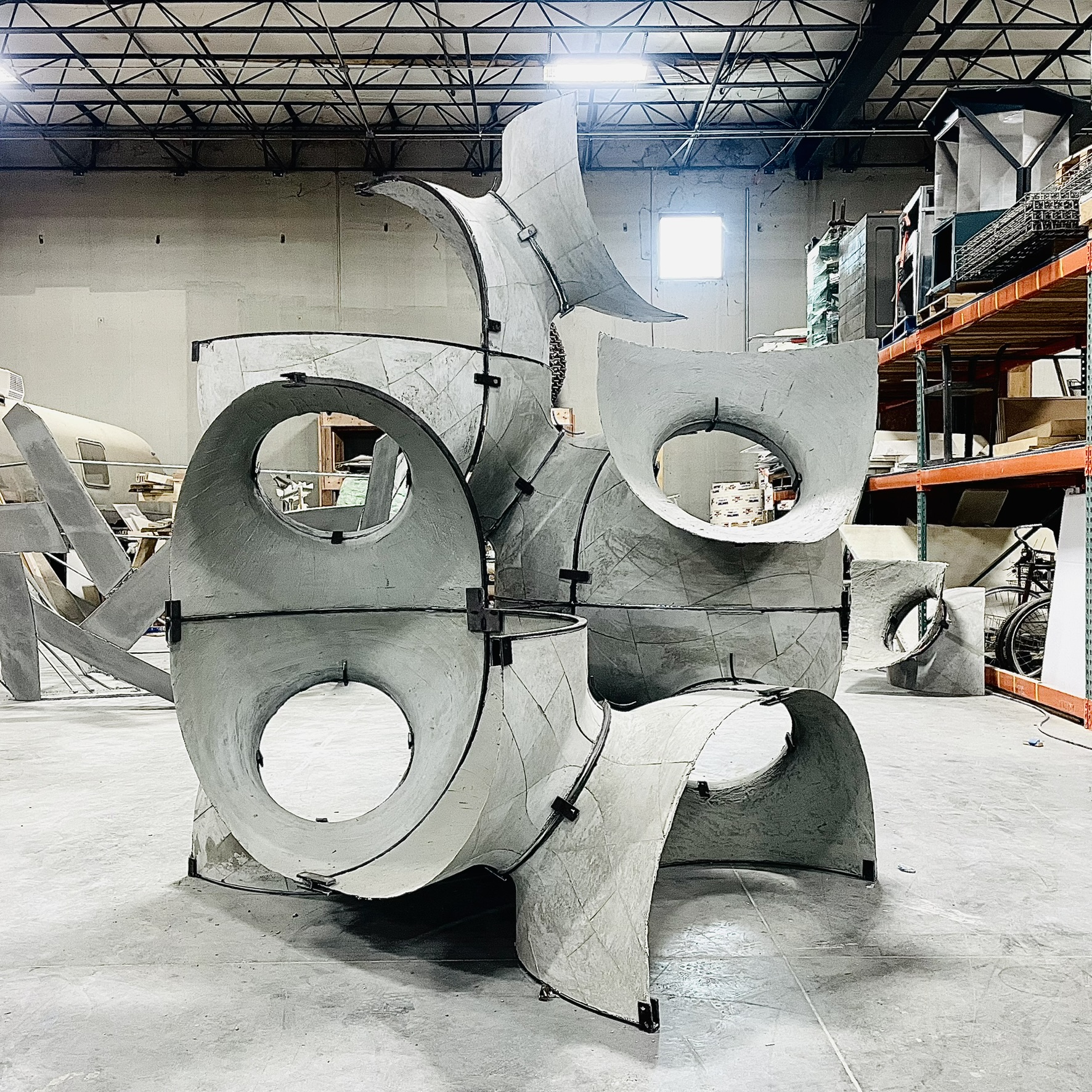
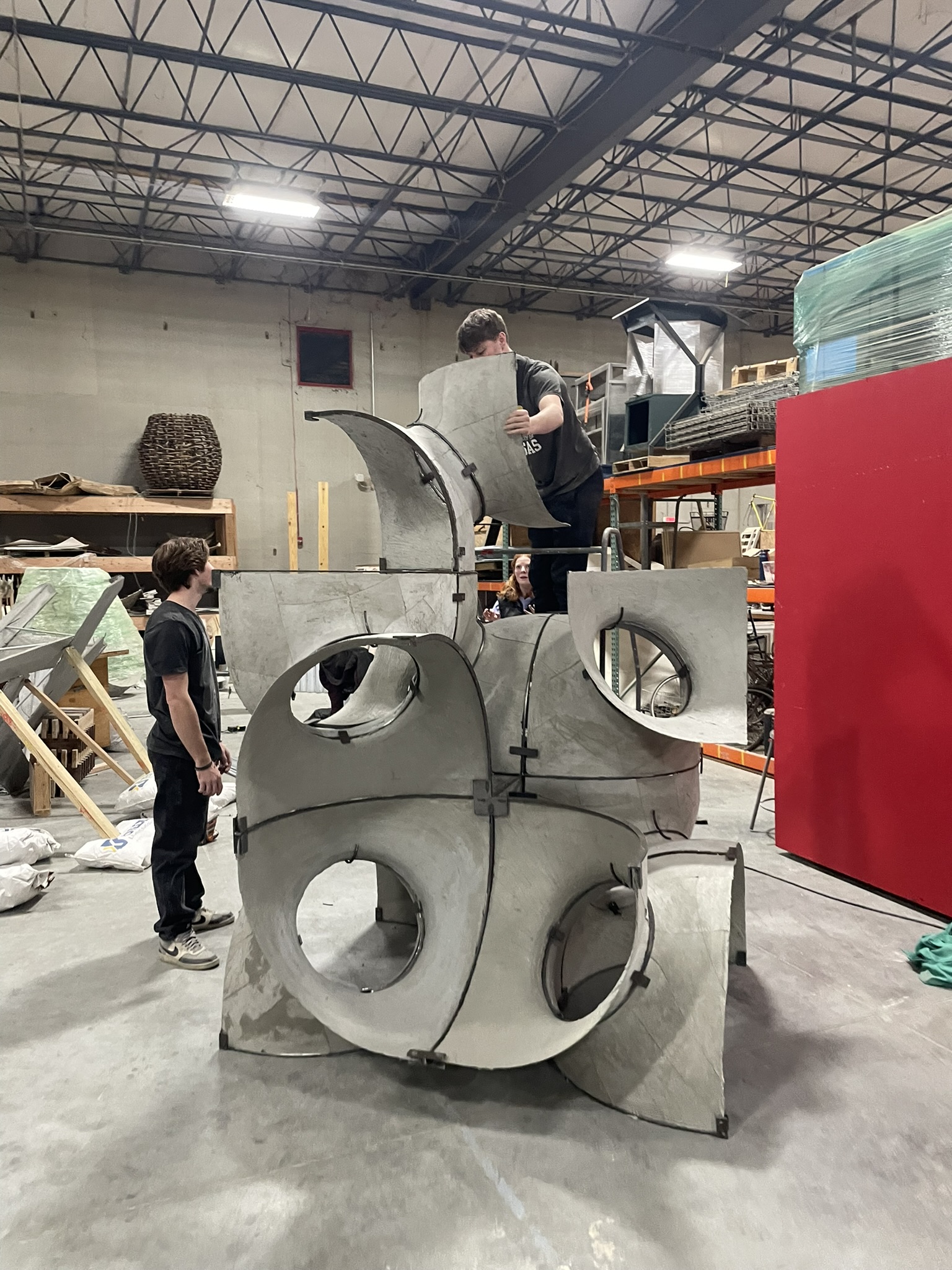
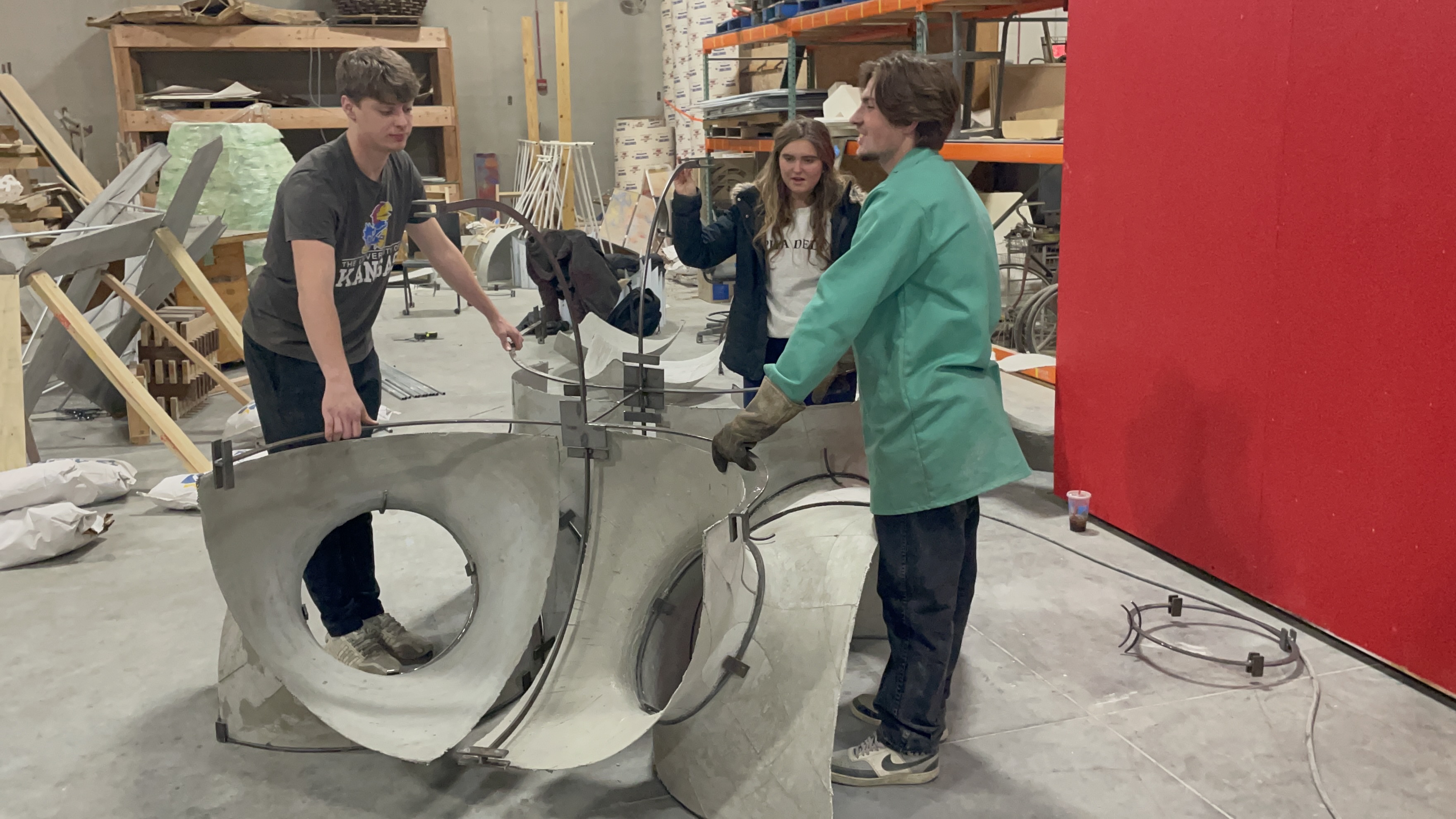
Through iterative prototyping and material testing, the students developed a series of super-thin concrete units that relied on geometric precision rather than mass for stability. A key innovation of the project was the assembly strategy. Instead of using conventional structural connections, the components were simply stacked on one another. To enable accurate placement, the students designed a lightweight metal alignment frame that functioned solely as a positioning guide, not as a structural support.
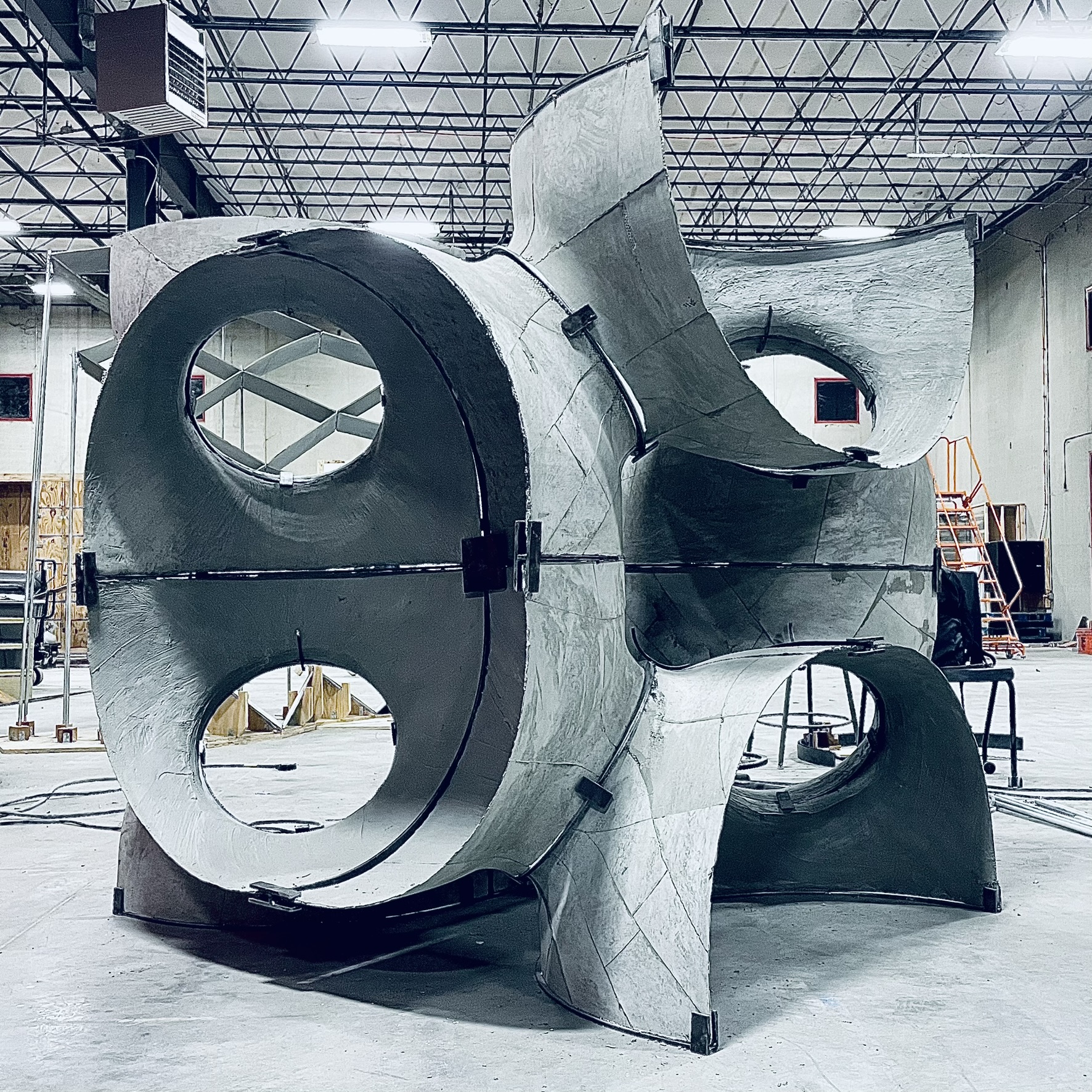
The project culminated in a full-scale mockup that served as a critical proof of concept. Despite the exceptionally thin concrete elements and minimal connection strategy, the assembled structure demonstrated clear stability and coherence. The project highlights how careful geometric design, precise fabrication, and thoughtful assembly logic can expand the structural possibilities of ultra-thin concrete systems.
Through iterative prototyping and material testing, the students developed a series of super-thin concrete units that relied on geometric precision rather than mass for stability. A key innovation of the project was the assembly strategy. Instead of using conventional structural connections, the components were simply stacked on one another. To enable accurate placement, the students designed a lightweight metal alignment frame that functioned solely as a positioning guide, not as a structural support.
The project culminated in a full-scale mockup that served as a critical proof of concept. Despite the exceptionally thin concrete elements and minimal connection strategy, the assembled structure demonstrated clear stability and coherence. The project highlights how careful geometric design, precise fabrication, and thoughtful assembly logic can expand the structural possibilities of ultra-thin concrete systems.